
Best RGB Fans for Cooler, Cleaner PC Builds
Upgrade your gaming PC with RGB and ARGB fans that look sharp, move real air, stay quiet on sensible curves, and sync cleanly with the rest of your build.
4.9
1,458 builds compared
Cooling, lighting, and cable control
The best RGB fans are not just bright. They fit your case, match your headers, push through mesh or radiators, and keep the wiring manageable.
ARGB Compatibility
Choose the right 5V ARGB, 12V RGB, controller, or motherboard sync setup before you buy.
Quiet PWM Cooling
PWM fans adjust speed more smoothly, helping reduce noise when the PC is not under load.
Clean Cable Runs
Fan hubs, splitters, and daisy-chain kits help keep multi-fan builds cleaner and easier to route.
Top RGB Fan Picks
Popular RGB and ARGB case fans for airflow builds, radiator setups, clean wiring, and showcase PCs.
-
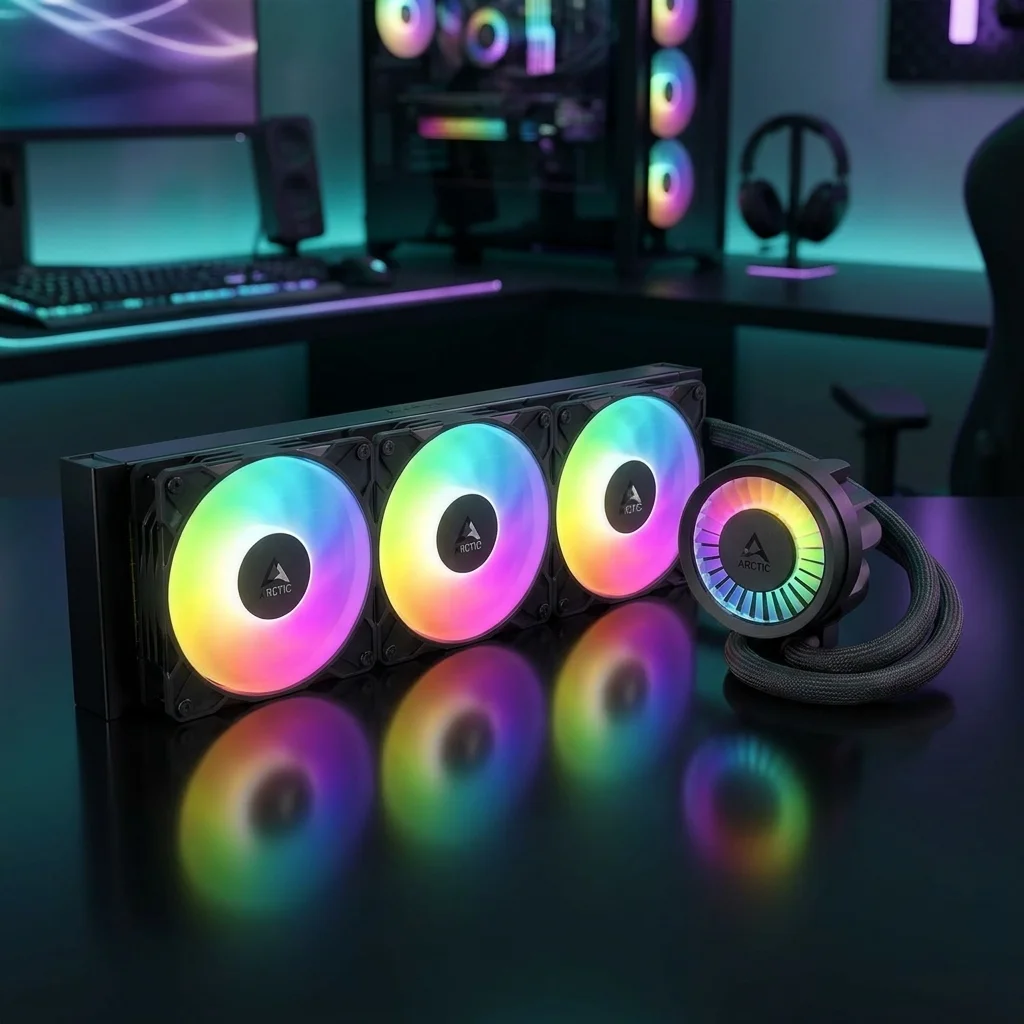
ARCTIC Liquid Freezer III RGB AIO Cooler
-
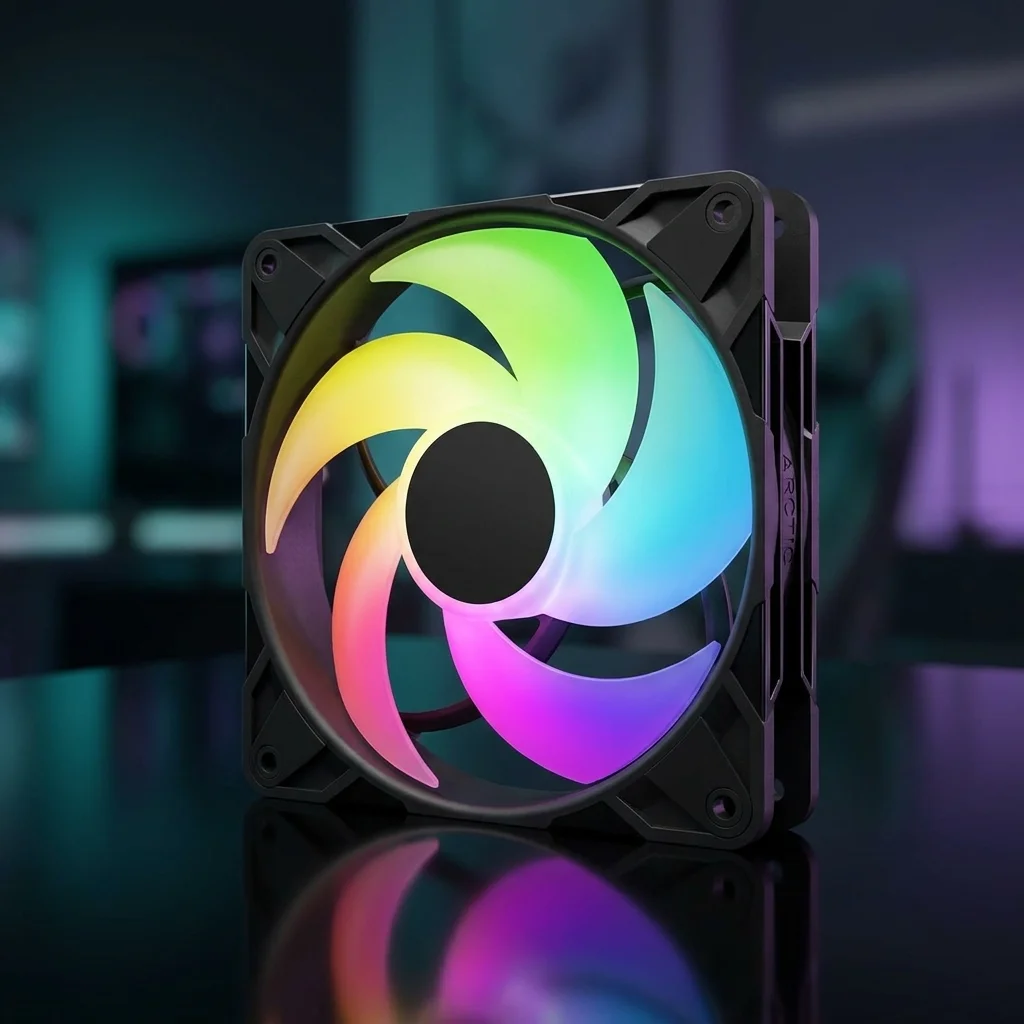
ARCTIC P12 Pro Reverse RGB Fan
-
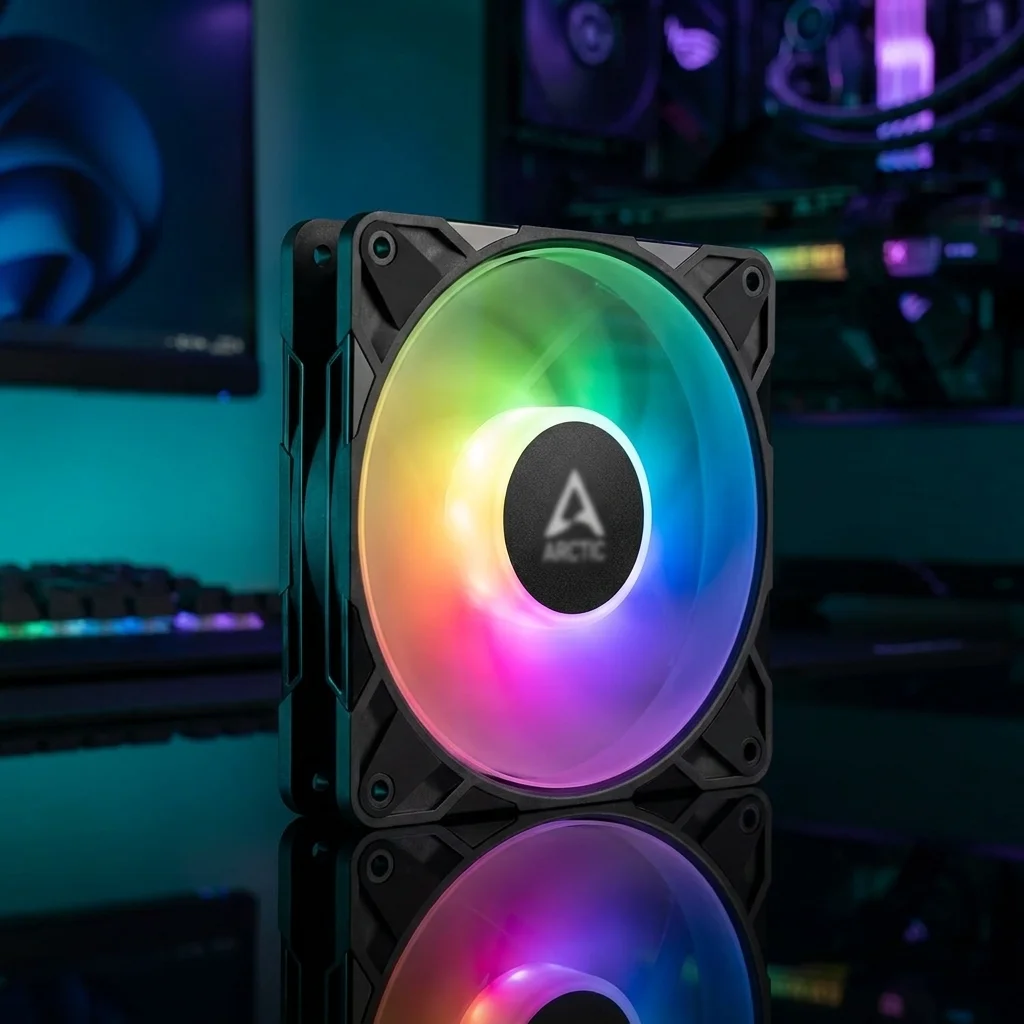
ARCTIC P12 Pro RGB 120mm Fan
-
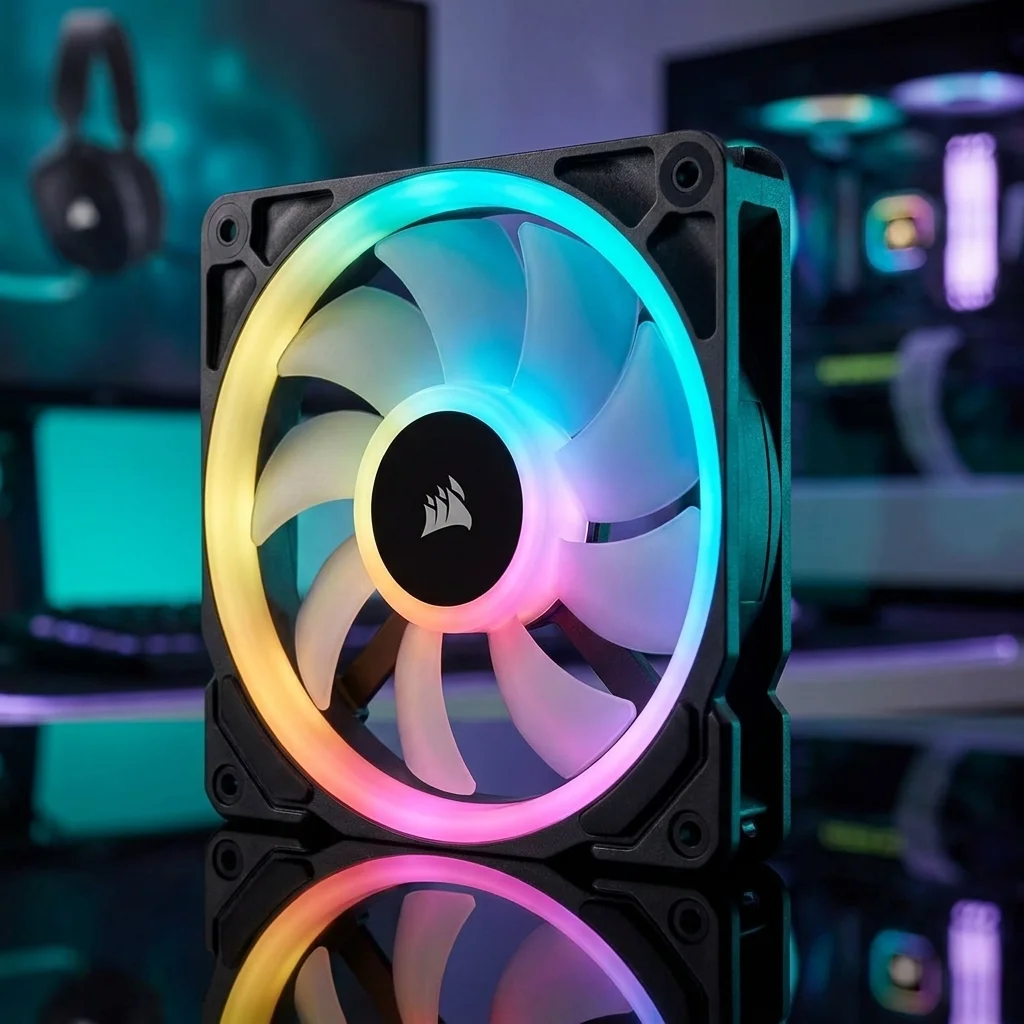
CORSAIR RS120 ARGB 120mm PWM Fan
-
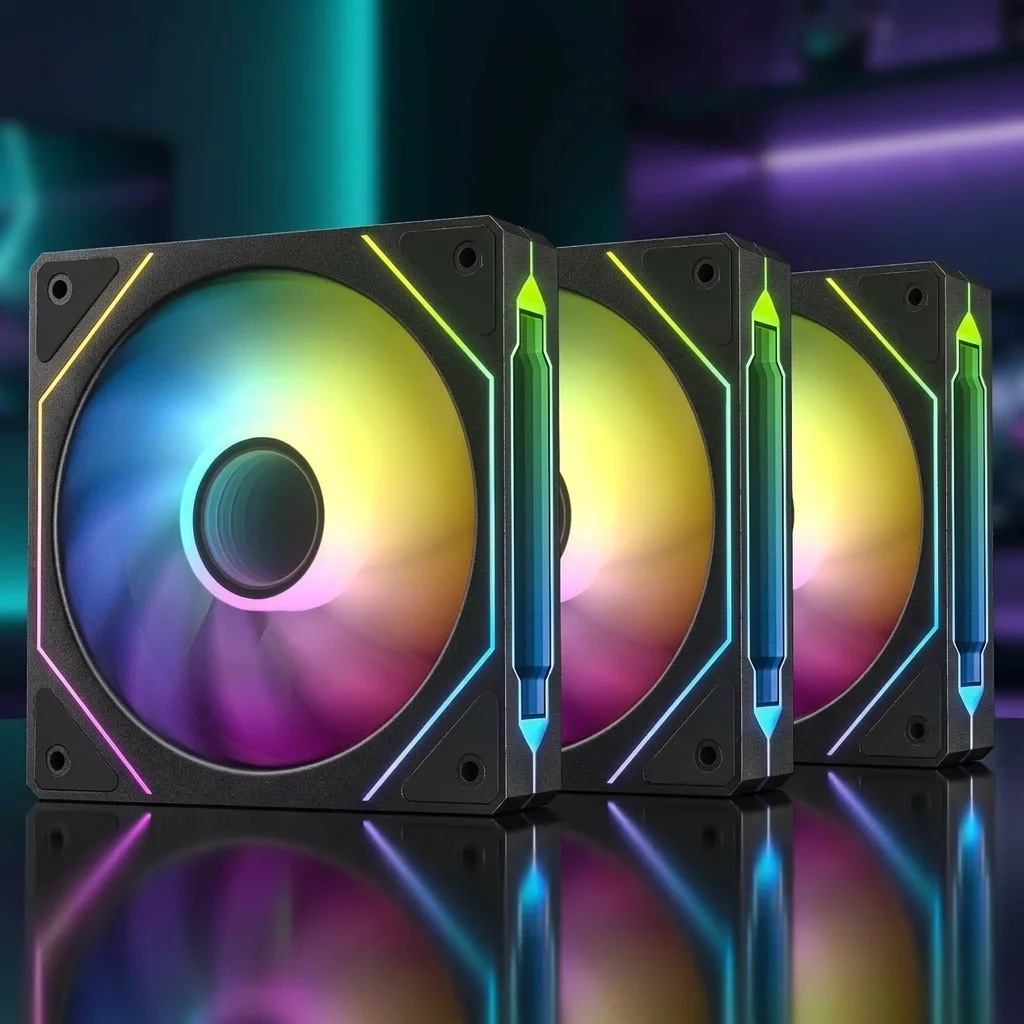
DARKROCK Infinite ARGB Case Fan
-
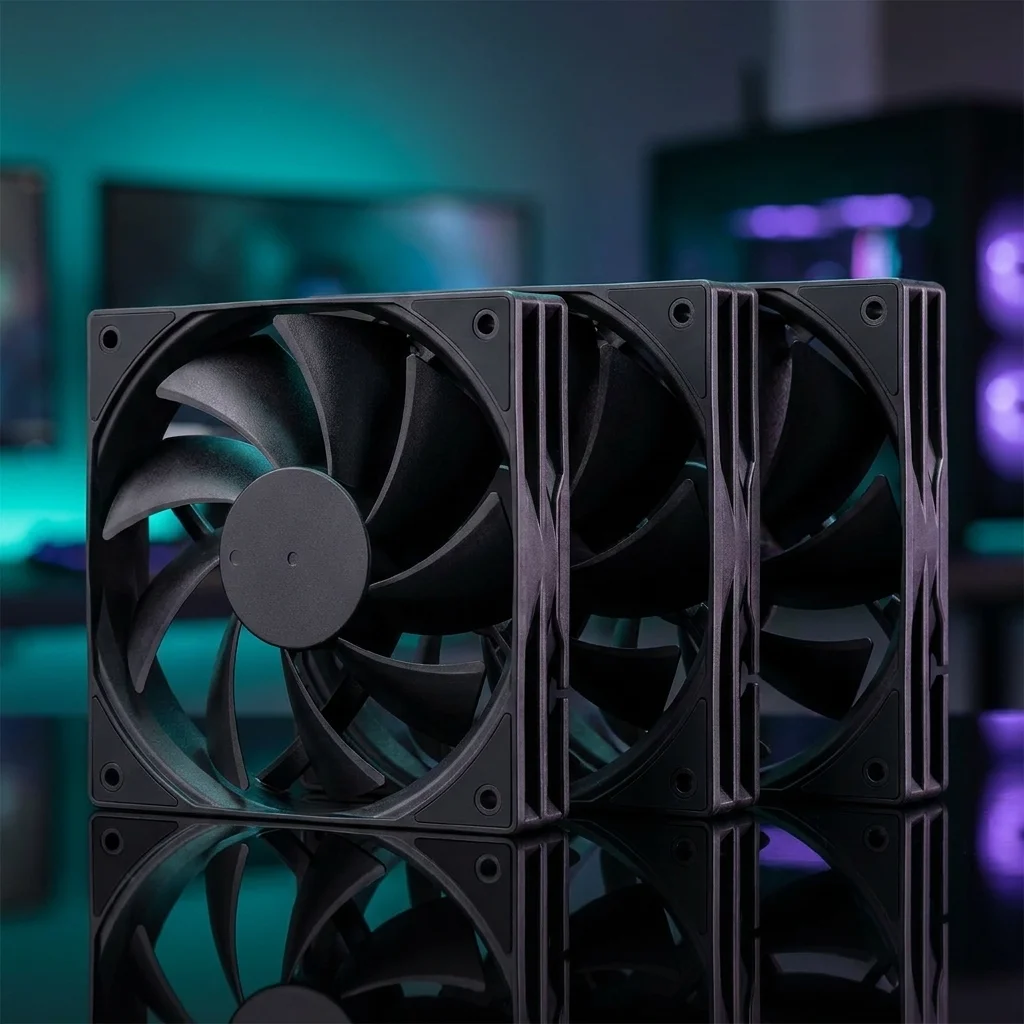
DARKROCK Performance RGB Case Fan
-
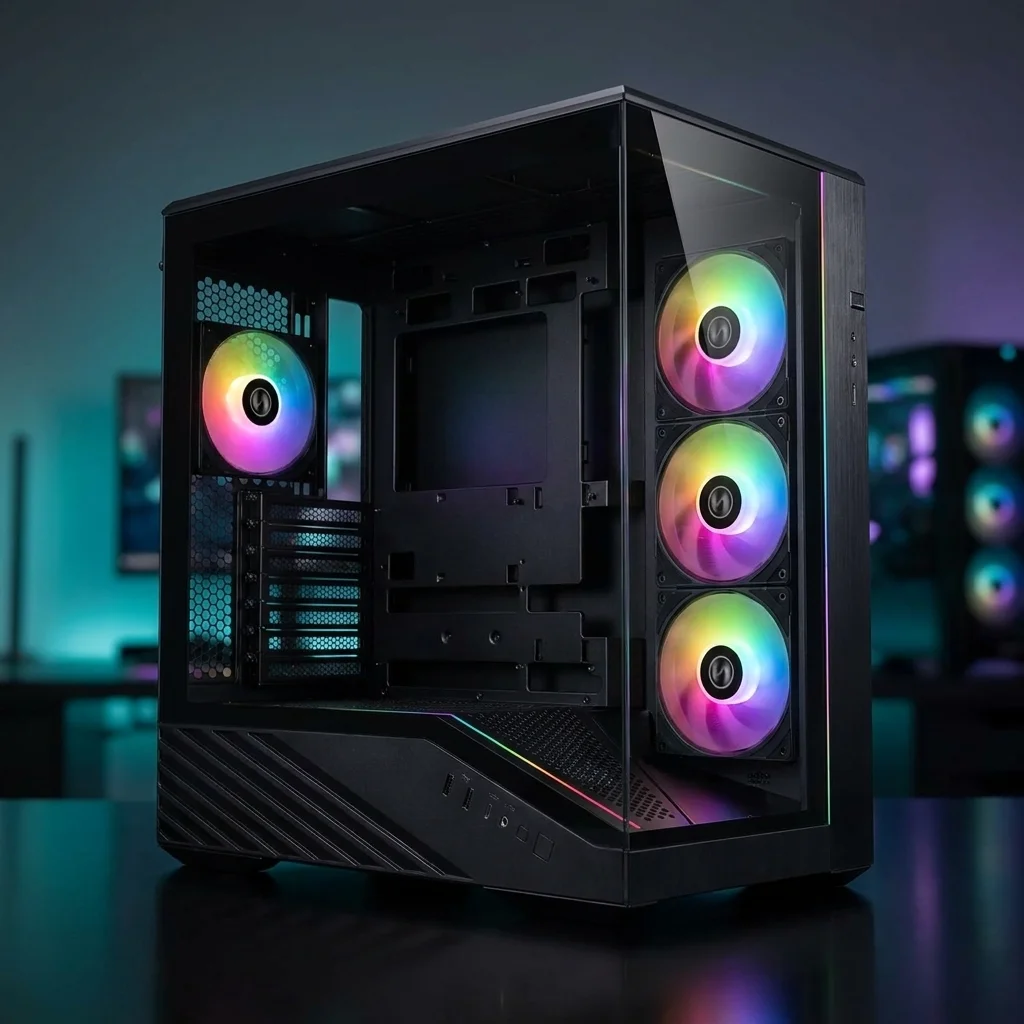
Lian Li RGB Mid-Tower Case
-
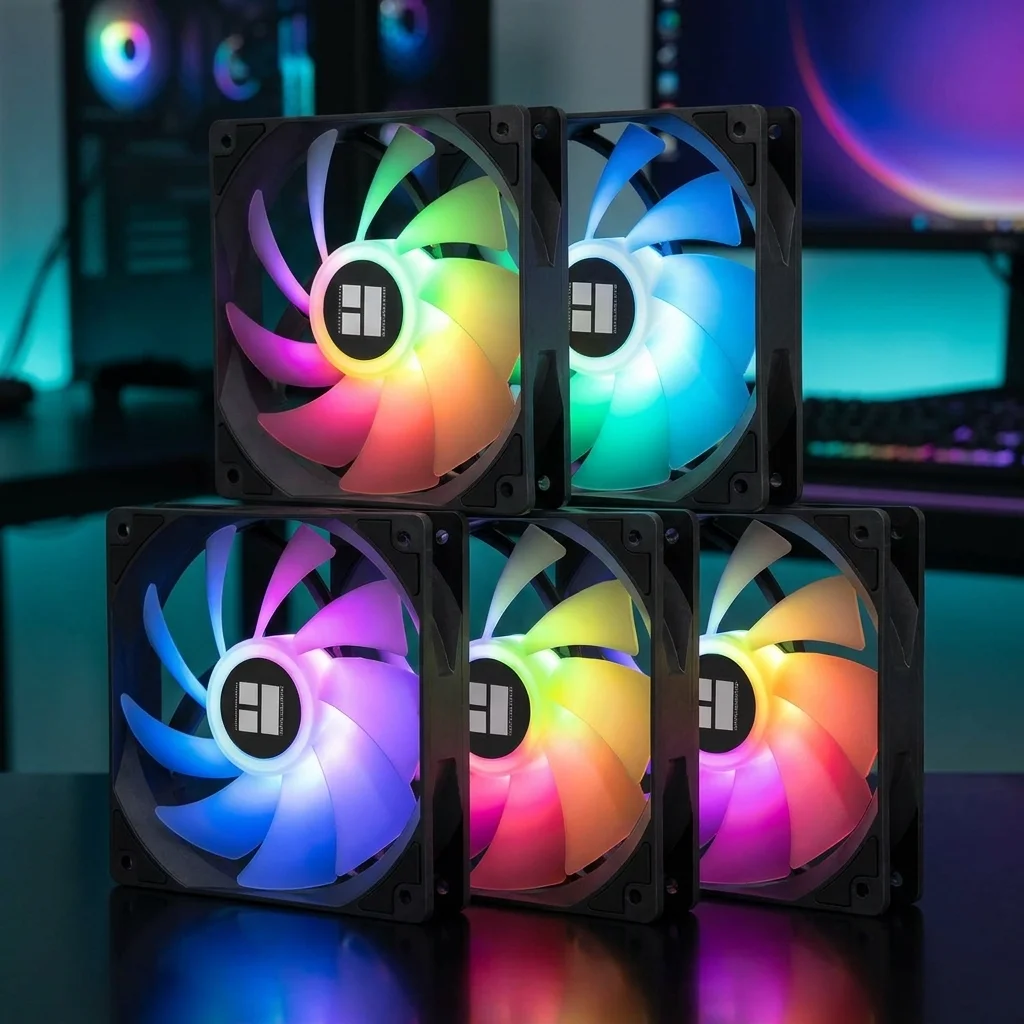
Thermalright TL-C12C-S ARGB 120mm Set
-
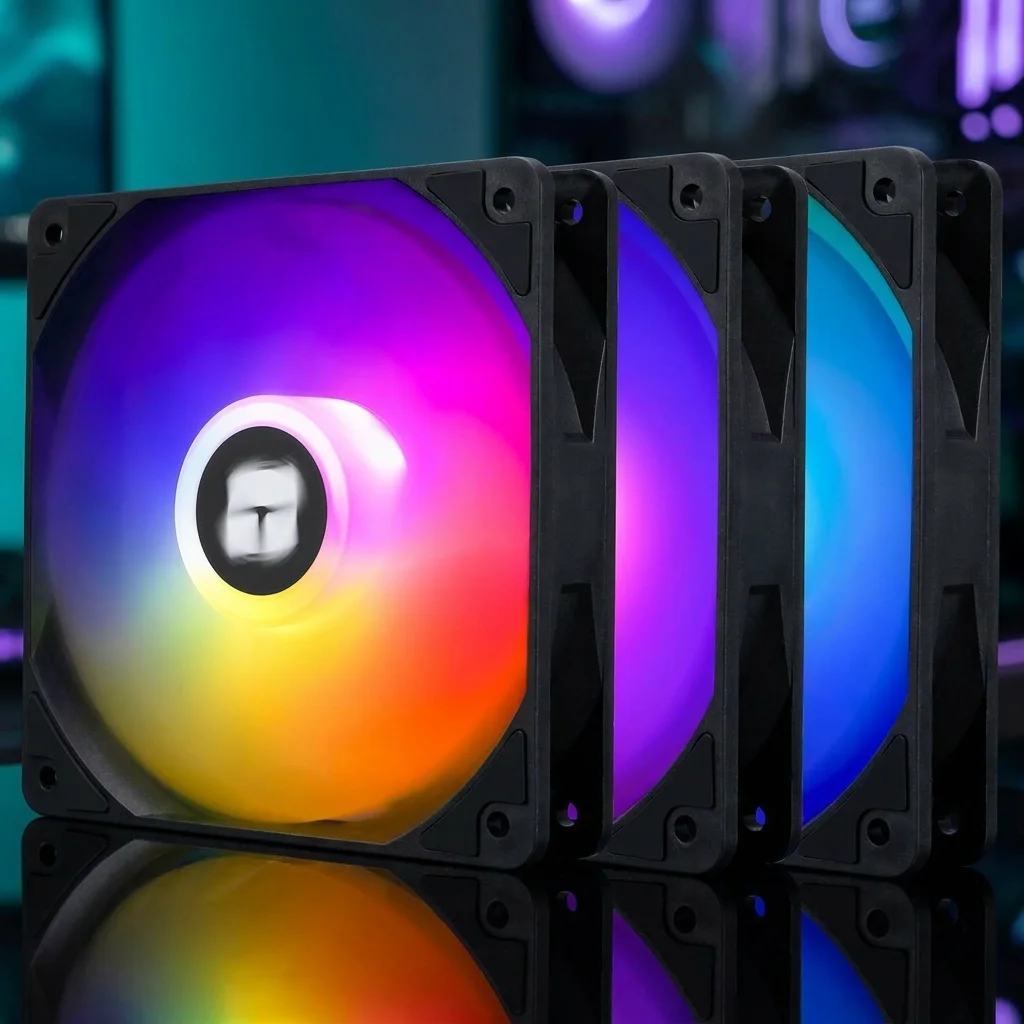
Thermalright TL-C12C-S ARGB Fan Pack
-
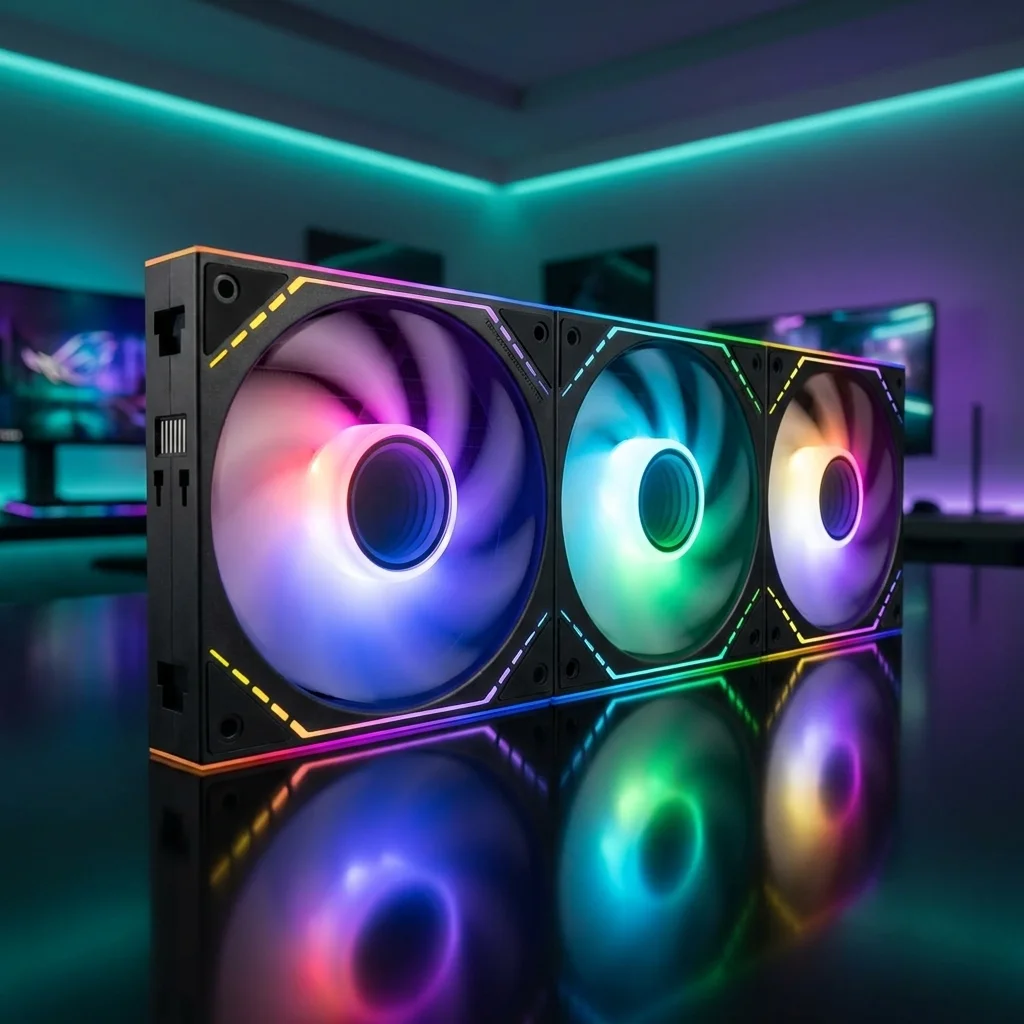
Thermalright TL-M12Q-S Infinity ARGB Fan
About RGB Case Fans
RGB case fans combine cooling hardware with addressable lighting, but the good ones do more than glow. Look for PWM speed control, enough static pressure for mesh panels or radiators, lighting that matches your motherboard or controller, and a kit that keeps cables under control when you install three or more fans.
For most gaming PCs, a balanced setup uses front, side, or bottom fans as intake and top or rear fans as exhaust, with slightly more intake to help filtered airflow.
For most gaming PCs, a balanced setup uses front, side, or bottom fans as intake and top or rear fans as exhaust, with slightly more intake to help filtered airflow.
Why Choose the Right RGB Fans:
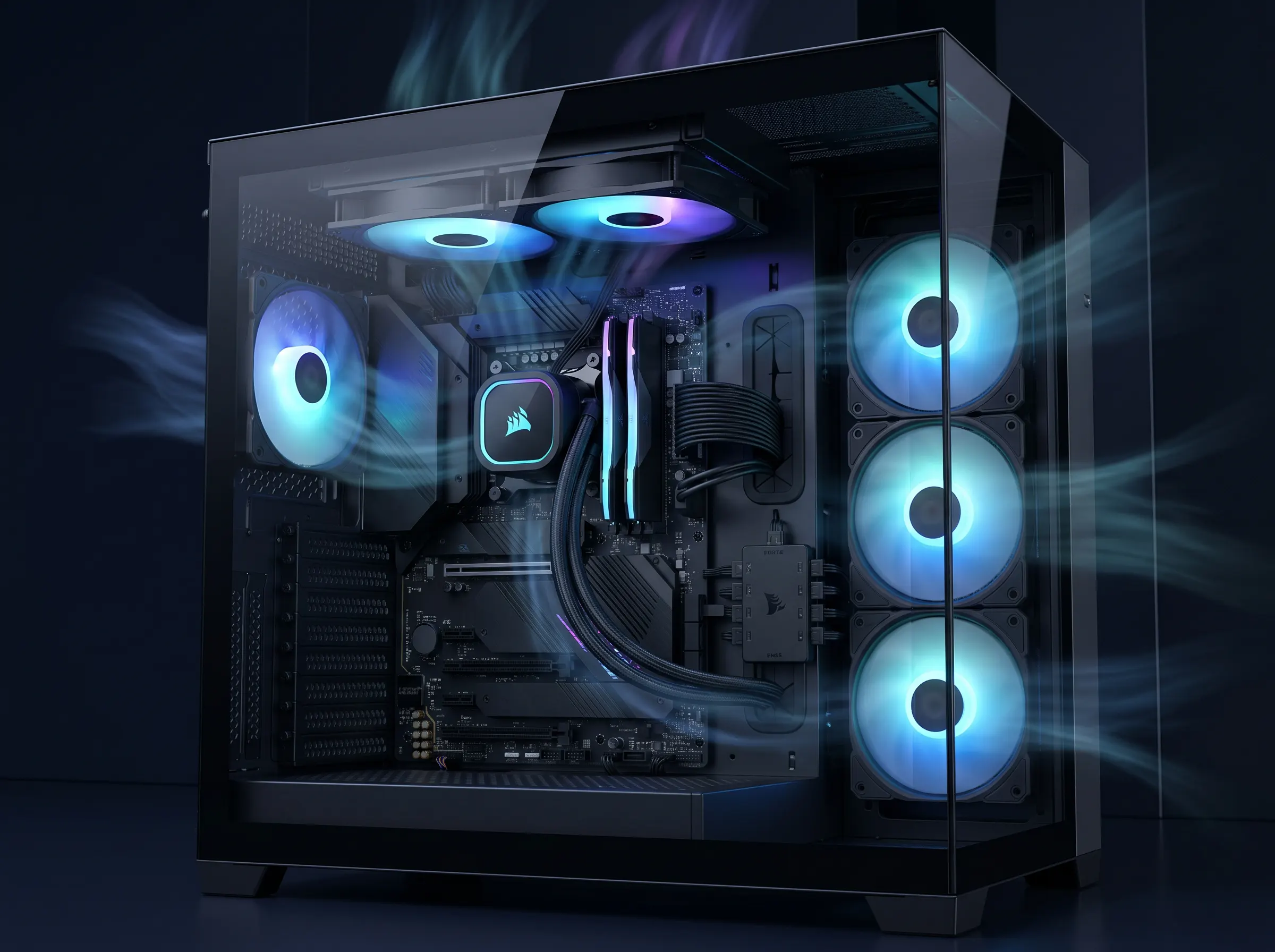
RGB Fan Types for Every Build
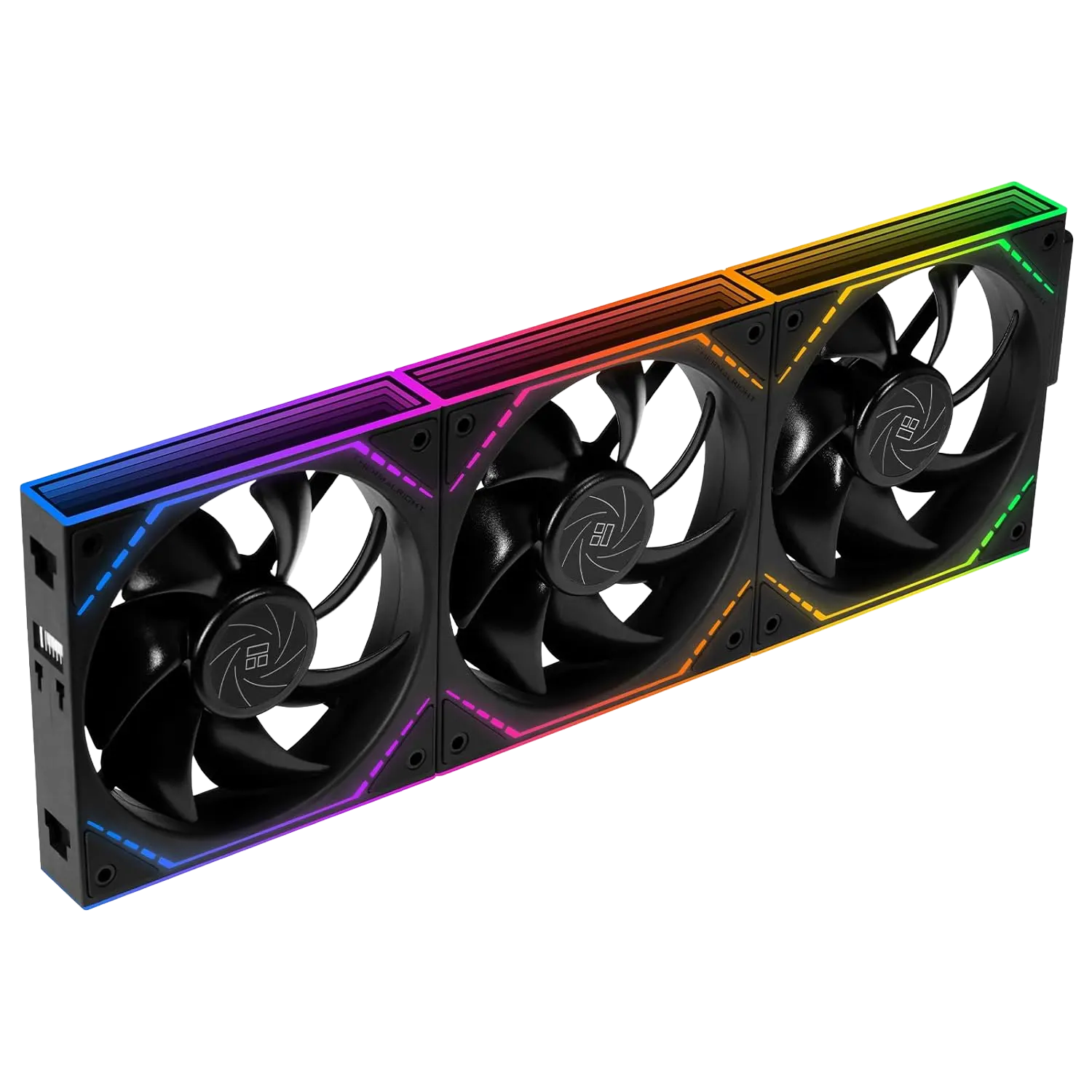
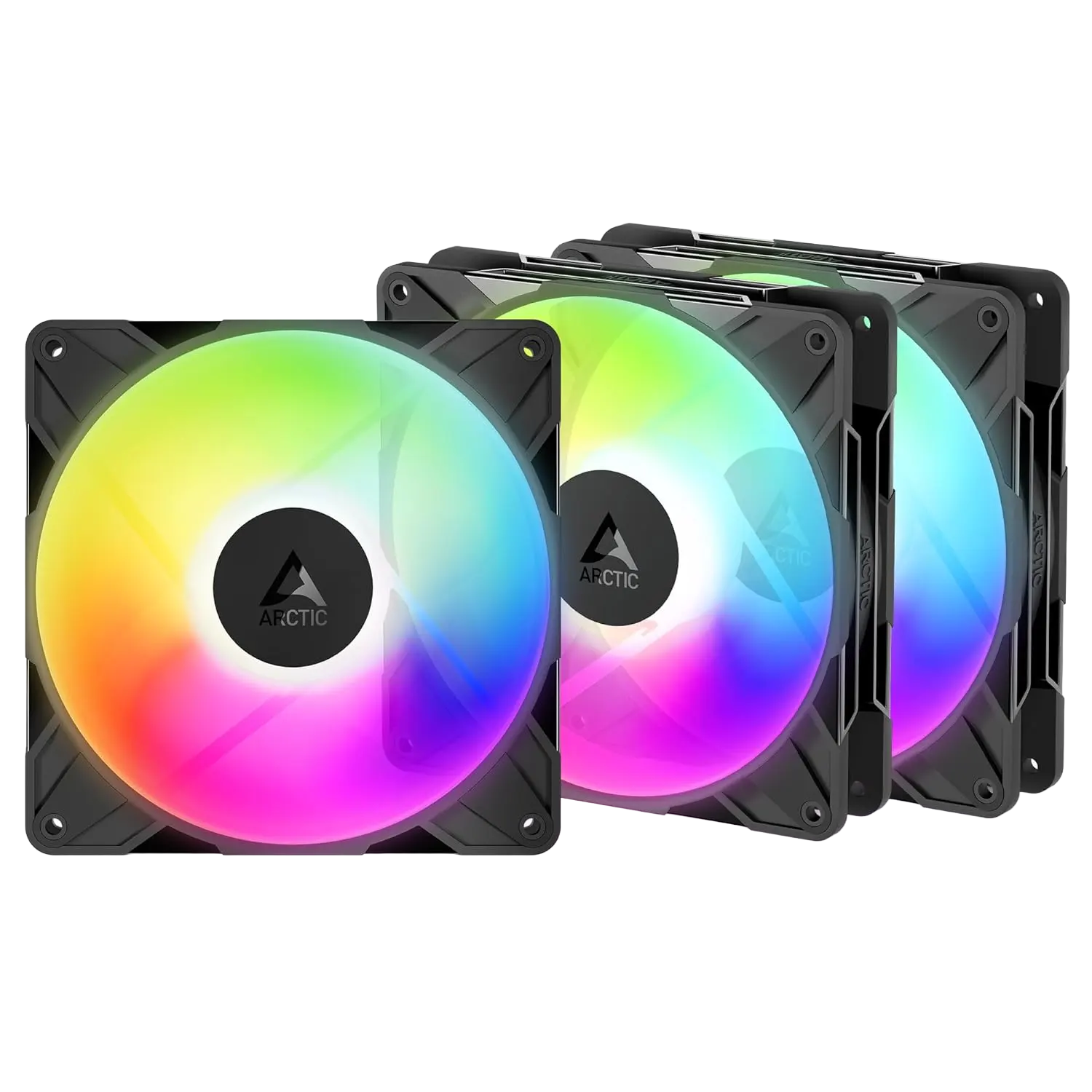
120mm ARGB Fan Packs
Strong & versatile shipping boxes
140mm RGB Fans
Larger airflow at lower RPM
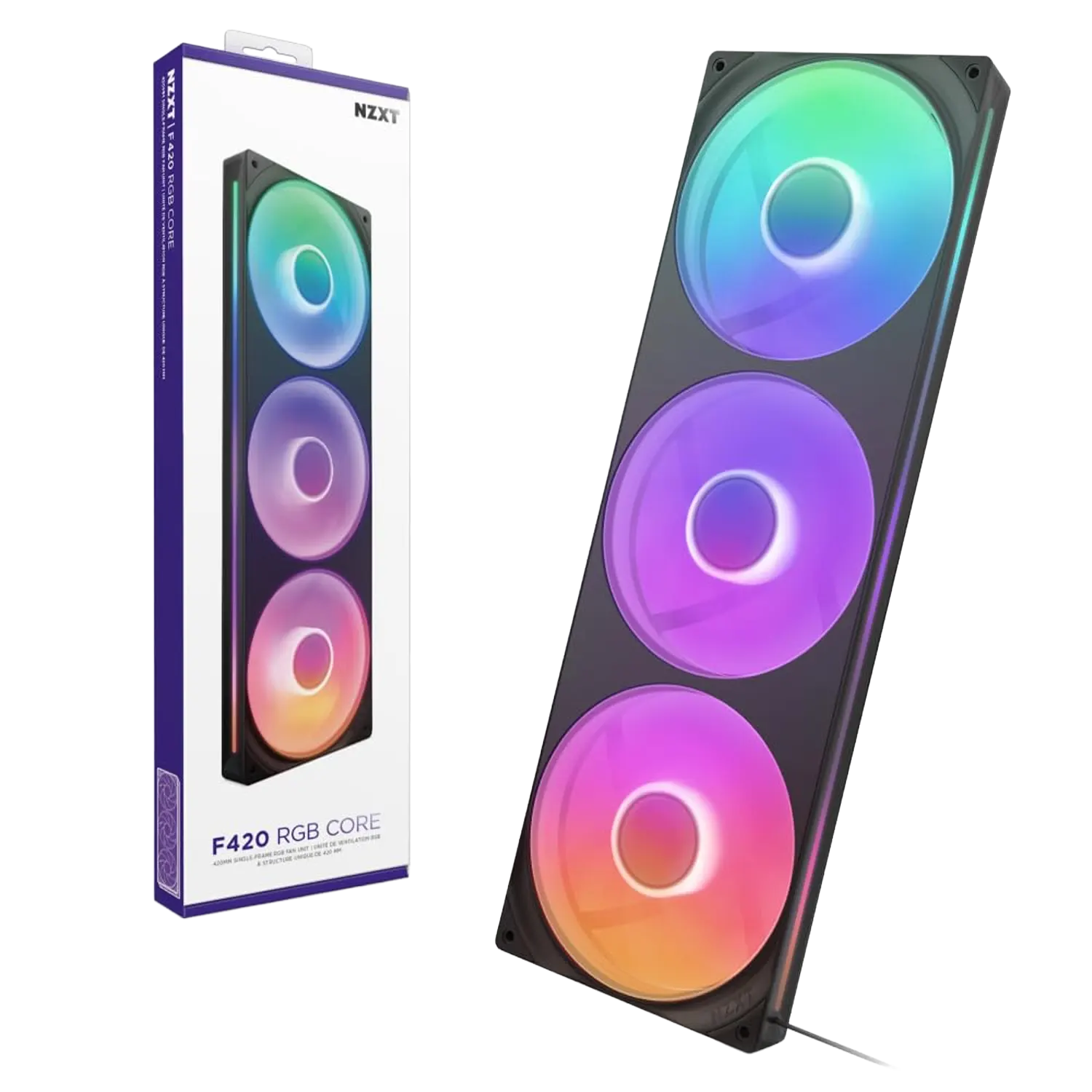
Radiator RGB Fans
Static pressure for AIO cooling
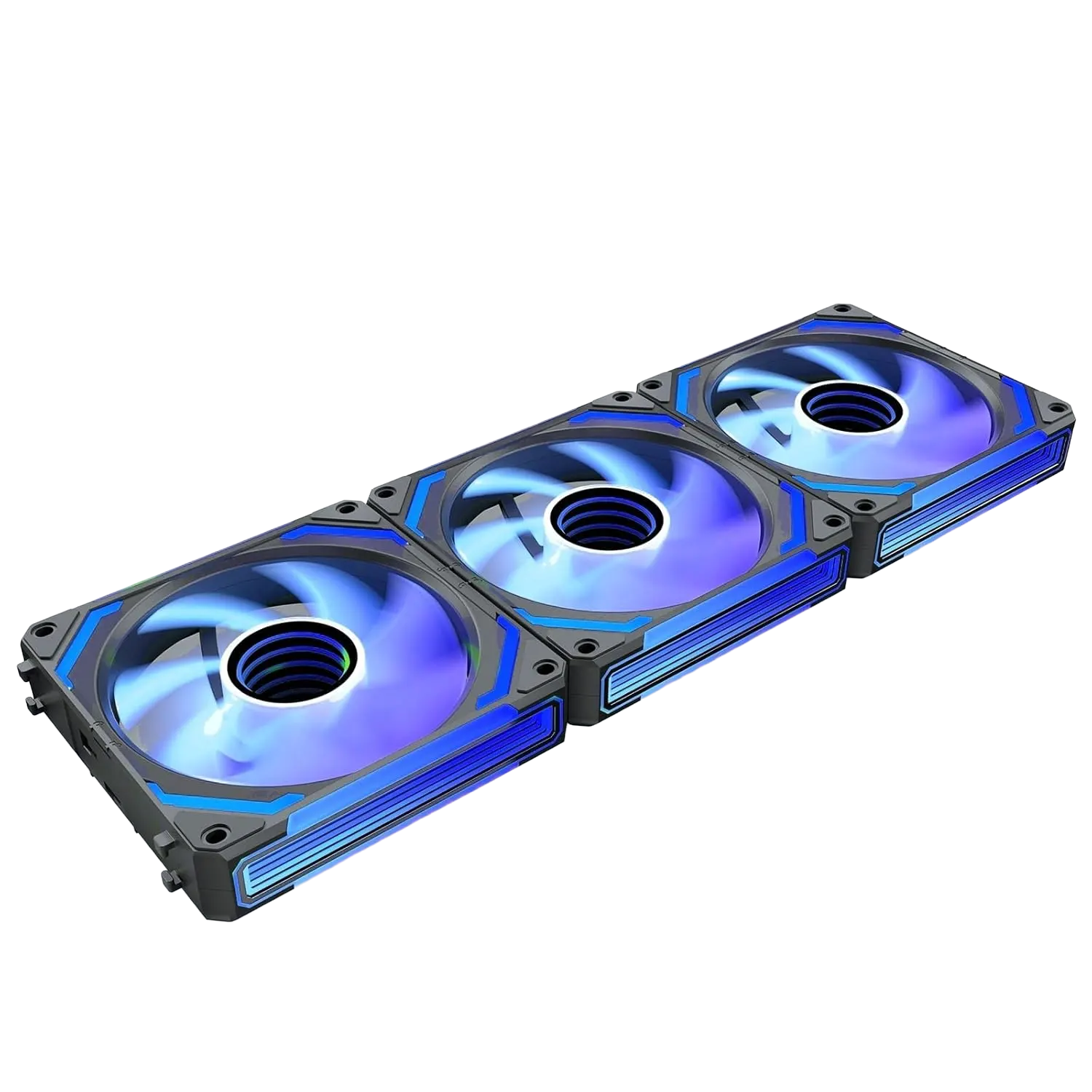
Reverse-Blade RGB Fans
Cleaner intake side for glass cases
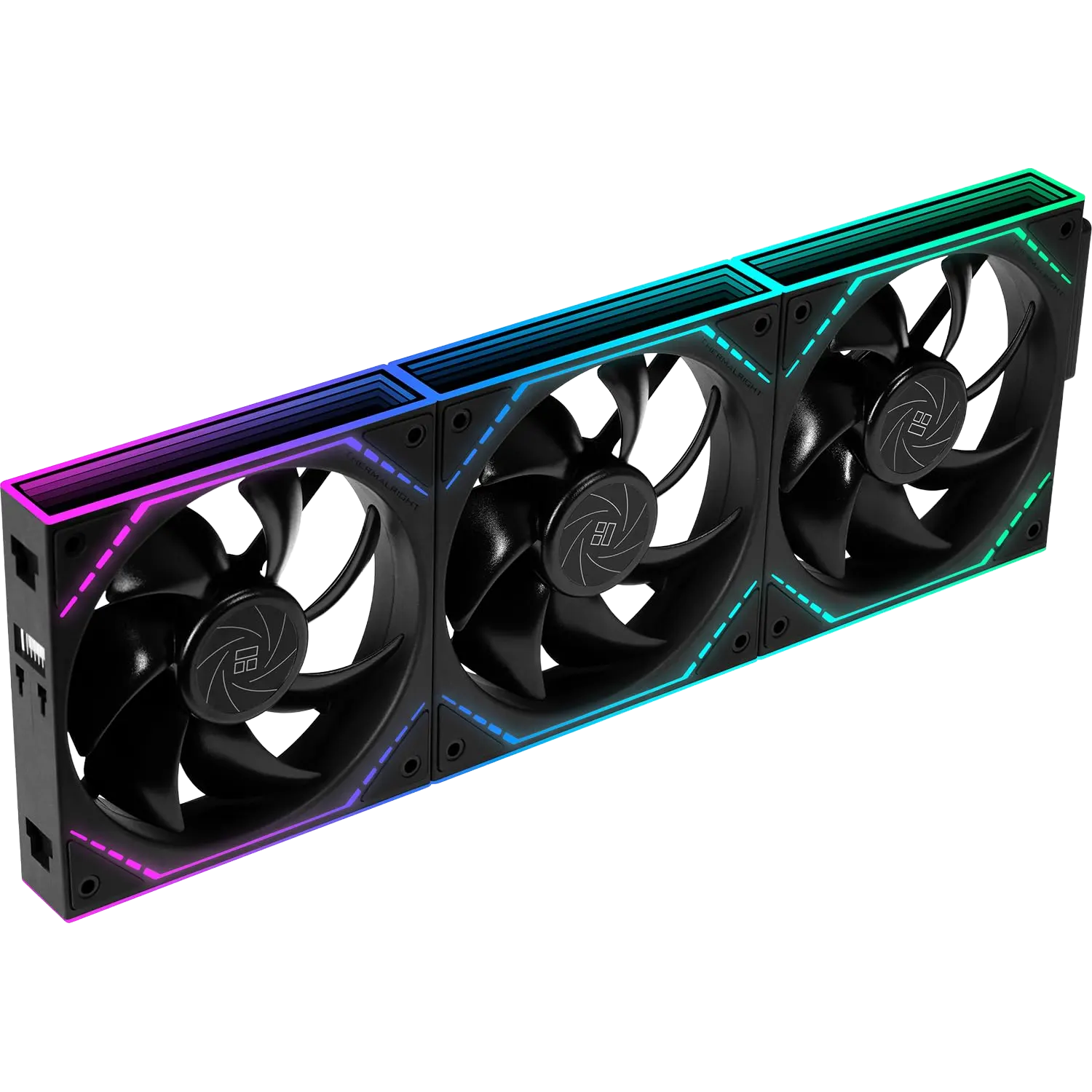
Daisy-Chain Fan Kits
Fewer cables and easier routing
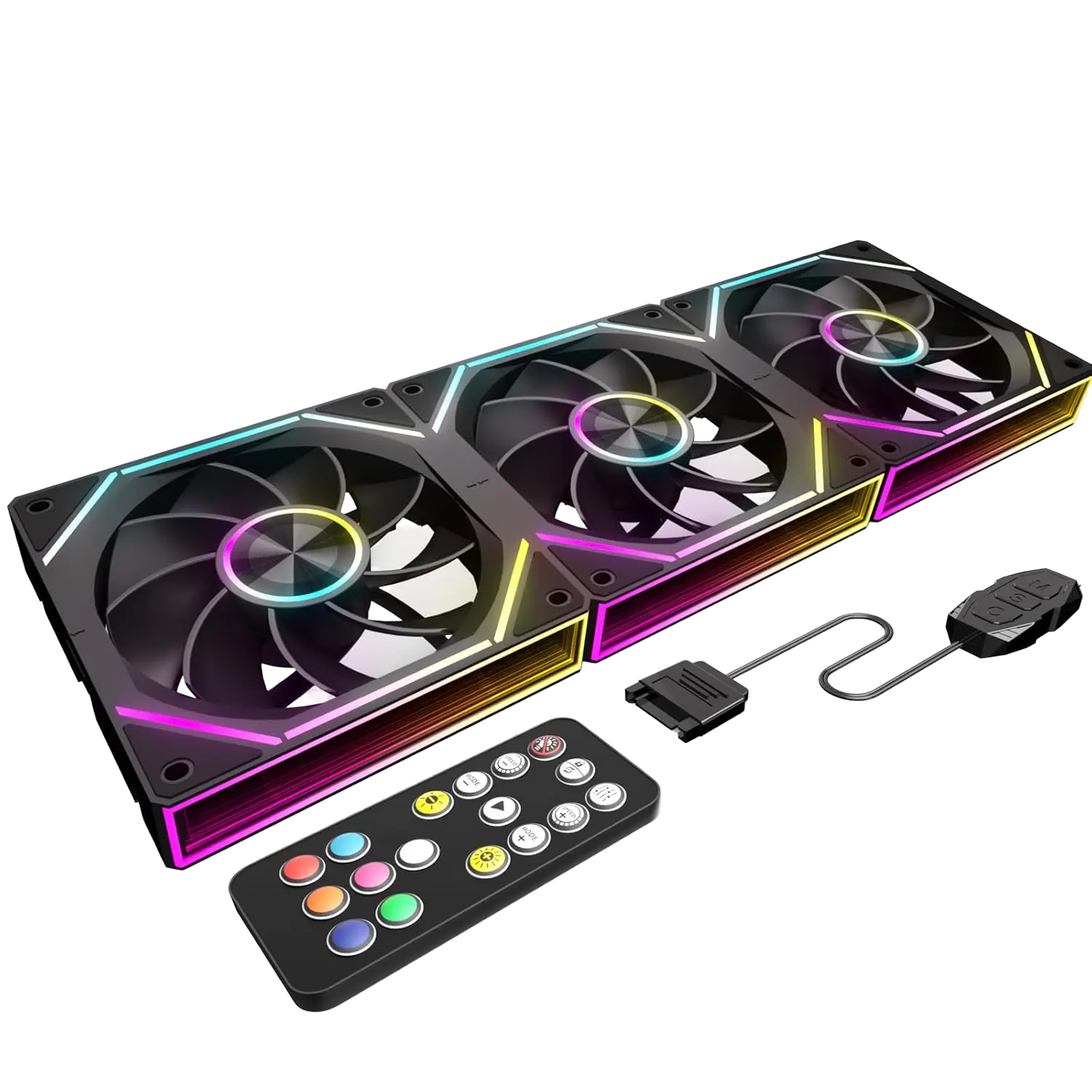
Budget ARGB 3-Packs
Fill a case without overspending
Corsair iCUE LINK RX120 RGB Triple Starter Kit
High-Power 3-Way PA System for DJs & Live Performance
F.A.Q.
Build the Right RGB Fan Setup
What is the difference between RGB and ARGB fans?
RGB usually means 12V 4-pin lighting with simpler effects. ARGB uses a 5V 3-pin header and can control individual LEDs for waves, gradients, and more detailed lighting. Do not plug 5V ARGB into a 12V RGB header.
Are 120mm or 140mm RGB fans better?
120mm fans fit the widest range of cases and radiators. 140mm fans can move more air at lower RPM, but only if your case, radiator, or top panel has the right mounting space.
Do RGB fans work on radiators?
Yes, but choose fans with good static pressure, not just high airflow. Radiators, dust filters, and dense mesh create resistance, so pressure and noise behavior matter.
Do I need a controller for RGB fans?
Sometimes. Standard 5V ARGB fans can often connect to a motherboard header, while Corsair iCUE LINK, Lian Li UNI FAN, NZXT, and other ecosystems may need their own hub or controller.
How many RGB fans does a gaming PC need?
A common setup is three front intake fans plus one rear exhaust. Larger glass cases, side intakes, bottom intakes, or 360mm AIO radiators may use six to nine fans.
What are reverse-blade RGB fans?
Reverse-blade fans flip the blade design so the nicer front face stays visible when the fan is used as intake. They are popular in panoramic and fish-tank style cases.
Can I mix RGB fan brands?
You can mix brands for cooling, but lighting control may get messy. Check whether each fan uses motherboard ARGB, a proprietary controller, or separate software before mixing kits.
How should I set up intake and exhaust?
Use front, side, or bottom fans as intake and top or rear fans as exhaust. Slight positive pressure helps pull air through filters instead of gaps in the case.
What PC Builders Say About RGB Fan Kits
rigbuilder_24
“The 120mm ARGB pack made the case look cleaner without turning the whole setup into a light show. Airflow improved, and the fans stayed quiet during normal use.”
coolingdesk
“PWM control was the main reason I switched. The fans slow down when the PC is idle and only ramp up when the system actually needs more cooling.”
glasscase.pro
“I used to choose RGB fans mostly by how they looked, but the setup became much better after checking the basics first: fan size, PWM support, ARGB header type, and how the cables would route behind the case. A 3-pack was enough for the front intake, and adding one rear exhaust fan helped balance airflow without making the build louder. The lighting looks clean through the glass panel, and the fan hub made cable management much easier than connecting every fan separately.”